
The approximately 50 kilometer drive along the 'Route Nationale 4' took around two hours. As elsewhere in the DRC, the road is slow, bumpy and dusty. Lorries, Jeeps, SUVs, cars, motorbikes, bicycles, tshukudus, cattle herders and pedestrians all converge along this main artery linking Goma and Kampala in Uganda. The road also goes through the beautiful but threatened Virunga National Park - formerly the Albert National Park created in 1925 - Africa's first park.
Although the security situation in Goma has improved over the past year since the defeat of the M23 rebel group, insecurity is still a problem in the region. The population is under threat from militia. One villager told me 'pour la sécurité, on se couche tôt'. Businessmen increasingly complain of hostage taking in exchange of ransom money.
In addition to security problems, natural risks persist. Last night a minor earthquake woke up the people of Goma, but the magnitude of the quake was worse in Bukavu (5.6 on the Richter scale) where it caused the death two children and a police officer. Sixty people were injured. People I spoke with in Goma said they left the house to pray with their neighbors. Everyone was talking about the tremors this morning. By the afternoon the subject was no longer part of the conservation.
The
Rutshuru area is a complex land use mosaic occupied by the Virunga National
Park, rural villages and the Katale coffee plantation.

This sand pit is exploited for the rapidly expanding construction sector in Goma which now has a population of over one million inhabitants, many of whom fled the insecurity of North Kivu and have decided to stay.

Entry point in the Virunga National Park to start the approximately five-hour climb up the Nyiragongo which last erupted in January 2002. The volcano sits under the clouds.

The Kibumba market is an important rallying point for the farmers and traders who feed the people of Goma.

Kibumba

High rural population density means that land use is carefully planned.

Cattle herding is a longstanding tradition in the region.

These are potato plants. Potatoes are an important staple in the Kivu diet.
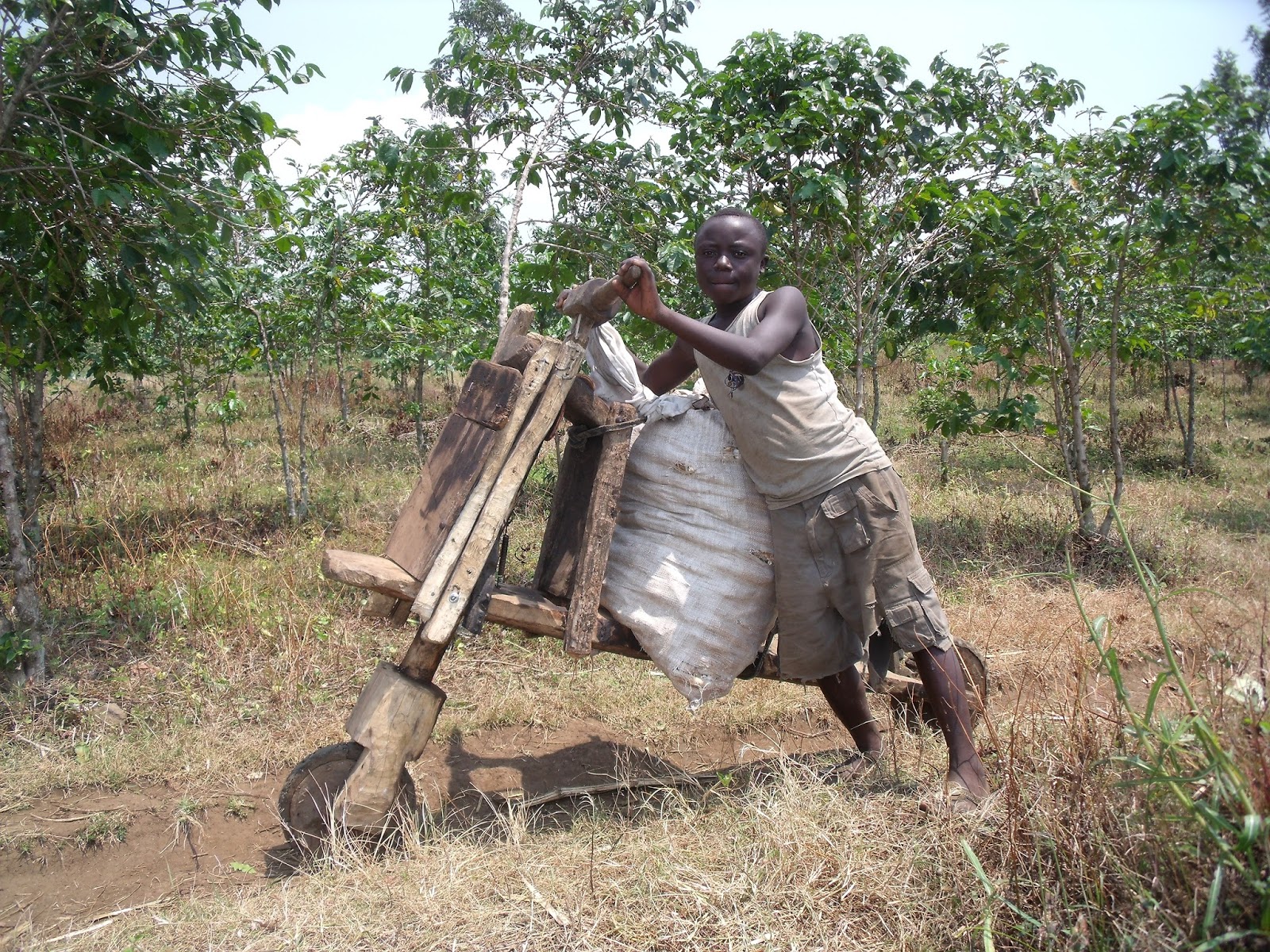
Young tshukudeur with a sack of potatoes.


It’s a long, dusty and bumpy road.


Insecurity persists in the region despite the presence of UN peacekeepers and the Congolese army.


Dream on.


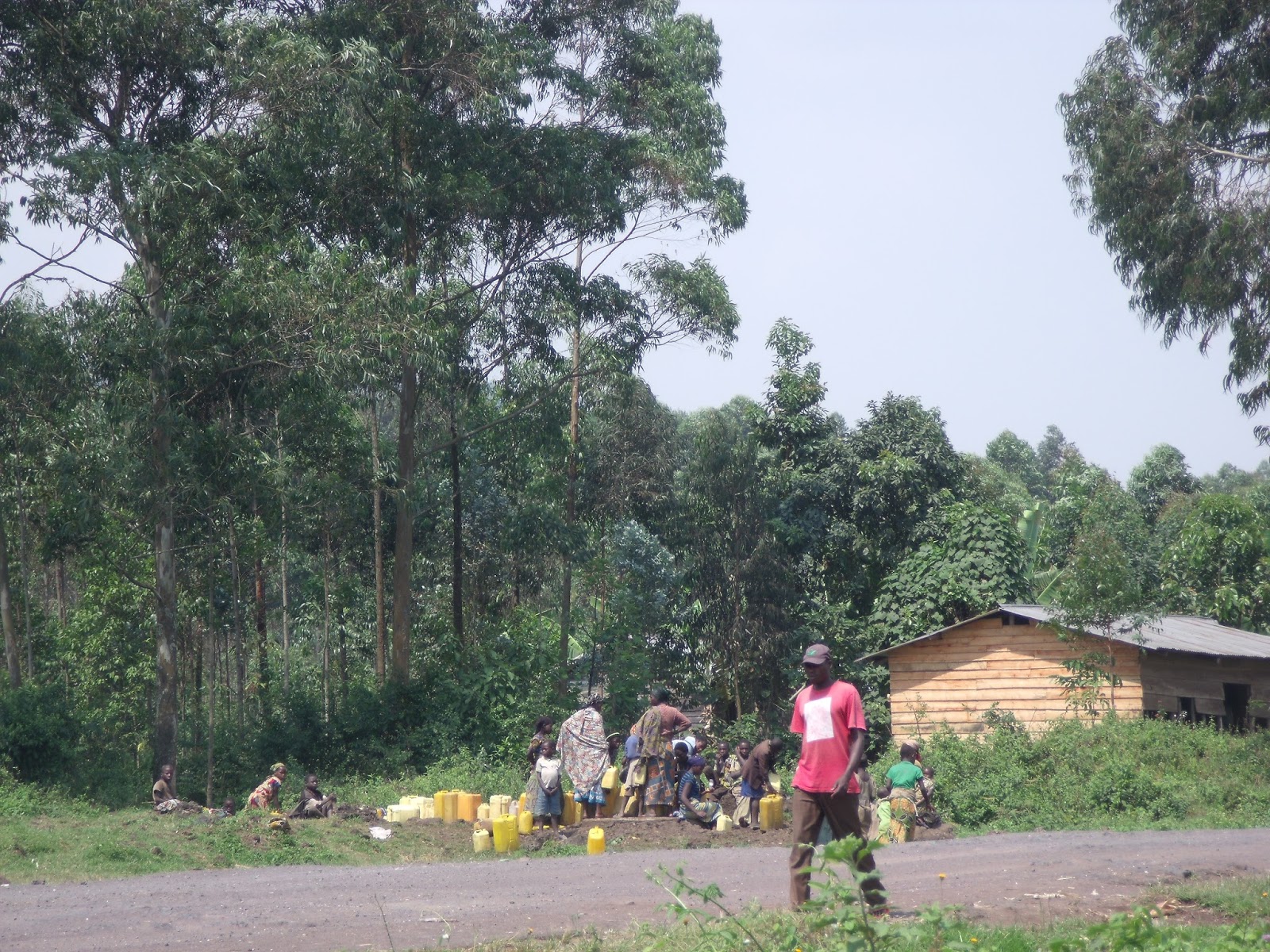
Access to water is a daily struggle.


Drying laundry and manioc

Ranger Francine. Women are assuming important roles in the ICCN ranger force.

Virunga park headquarters at Rumangabo
 |
| Baboon in the vicinity of Rumangabo |


Head warden office building at Rumangabo

Virunga patrol blood hounds

RIP

Pay day at the Katale coffee plantation

Raw coffee

Lucas and I at the Katale coffee plantation
